
Course module
Course 04 · Intermediate
Straight Razor Foundations
Study preparation, grip, safe working angles and methodical passes before practising on a client.
6 lesson syllabusSelf-paced structure
Course module
Prepare Skin and Hair
Course module
Hold the Razor
Course module
Understand Working Angles
Course module
Plan the Passes
Course module
Aftercare and Review
Course reading
Read and practise in sequence
Start with the overview, then work through the focused explanations. These readings support supervised practical instruction.
Shaving and Razor Technique Foundations
Understand shaving preparation, blade systems, growth direction and controlled technique, with clear boundaries between personal care and professional service hygiene.
Disposable-blade Razor vs Traditional Straight Razor
Compare replaceable-blade holders with fixed traditional razor blades, including fitting, edge maintenance and professional hygiene requirements.
How to Prepare Skin and Beard for Shaving
Assess the service, observe growth and prepare skin and hair appropriately before a shave, without confusing warmth or products with equipment hygiene.
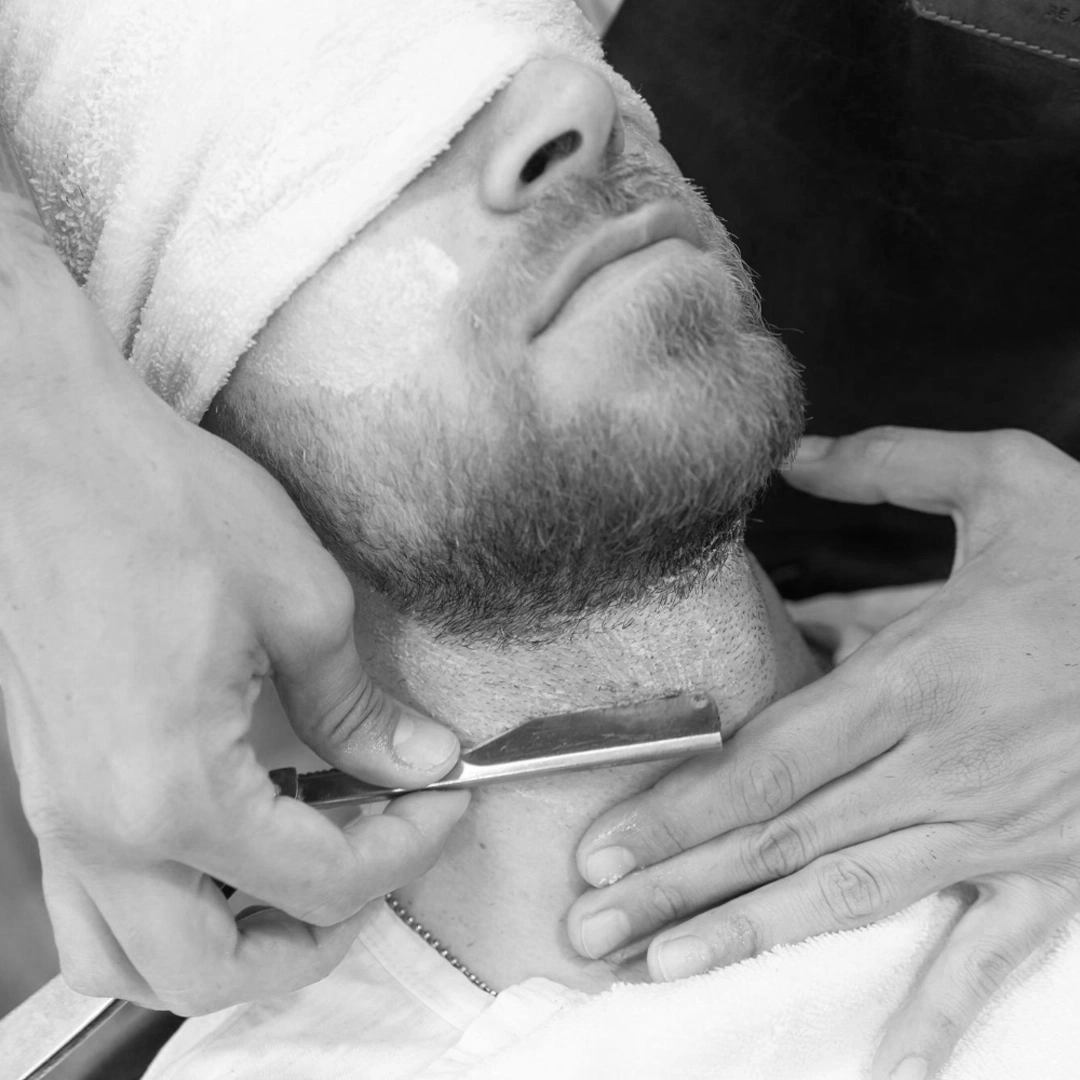
Straight Razor Grip and Working Angle
Understand secure razor handling, blade orientation and controlled movement, with tool-specific instruction and supervised practice before client shaving.
How to Map Beard Growth Before Shaving
Observe changing facial-hair direction before shaving and use a practical growth map to choose suitable local working paths.
Shaving With vs Across vs Against the Grain
Compare shaving directions using local beard growth, and understand why a closer finish should not automatically mean extra or opposing passes.
Hot Towel Shave: Temperature and Hygiene
Use warm towels as an assessed shaving preparation, with temperature checks, clean handling and client comfort kept separate from disinfection.
Razor vs Trimmer for Hairline Detailing
Choose a suitable detailing tool from the intended edge, local growth and skin response, and avoid moving a natural hairline for extra sharpness.
Shaving Aftercare: Comfort and Product Choices
Finish a shave with careful assessment, suitable product use and clear home-care advice, while keeping persistent skin concerns outside the barber's treatment role.